

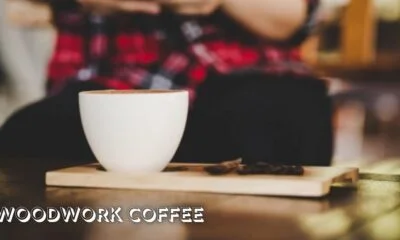
In an age of minimalist white tiles, stark concrete floors, and algorithmic playlists, the modern coffee shop can sometimes feel as sterile as a hospital waiting room. We crave authenticity. We want to hold a cup that feels like it has a soul. That is precisely where Woodwork Coffee enters the frame—not just as a place to get a caffeine fix, but as a philosophy. It is the intersection of two ancient, meticulous disciplines: the joinery of fine woodworking and the chemistry of specialty coffee.
If you haven’t yet encountered the rising trend of “woodwork coffee,” you might assume it is simply coffee served in a rustic cabin. But in the lexicon of the third-wave coffee movement, Woodwork represents something deeper. It is a homage to structure, texture, and patience. Whether it is a specific roastery in the Pacific Northwest or a design aesthetic sweeping through home brewers, Woodwork Coffee is changing how we think about the vessel, the process, and the ritual.
The Genesis of Grain and Grind
To understand Woodwork Coffee, you have to understand the parallel histories of the carpenter and the barista. Fifty years ago, a carpenter cared about the ring count in a piece of walnut; a barista cared about the crema on an espresso. They rarely overlapped. But the last decade has seen a renaissance in tactile experiences. As we spend more time staring at glowing rectangles, we yearn for objects we can feel—the heft of a ceramic mug, the cool smoothness of a polished oak handle, the warm patina of a hand-carved tamper.
Woodwork Coffee, as a concept, was born in small-batch roasteries located in converted warehouses in places like Portland, Seattle, and Vancouver. Roasters began commissioning local furniture makers to build their pour-over stations. Baristas realized that a maple wood stand for a Chemex wasn’t just pretty; it held heat differently. It grounded the customer in the present moment.
The name “Woodwork” implies the frame of a house—the structure behind the drywall that holds everything up. Similarly, Woodwork Coffee celebrates the invisible labor. It’s not just about the final shot of espresso; it’s about the joists of the process: the grind size, the water temperature, the bloom. Like a dovetail joint, these elements lock together to create something unbreakable.
The Aesthetic of the Workshop
Imagine walking into a Woodwork Coffee shop. There are no plastic signs. The menu is likely hand-painted on a slab of reclaimed barnwood. The lighting is warm, not fluorescent, cast by pendant lamps with copper fittings. The counter is the star of the show—likely a fifteen-foot slab of live-edge black walnut or white oak, sealed with tung oil so that you can still feel the river-like ripple of the grain under your fingertips.
Behind the counter, the espresso machine is shiny and metallic, but it is mounted into a custom wooden housing. The knock box—where baristas tap out spent pucks of espresso—is a solid block of cherry wood. Even the portafilter handles are turned on a lathe by a local artisan, their ergonomic curves designed to fit the human palm after hours of repetitive motion.
This aesthetic isn’t accidental. Wood is a living material; it expands and contracts with humidity. Coffee is a living product; it degasses and changes flavor daily. Woodwork Coffee embraces volatility. A scratch on the bar isn’t a defect; it’s a patina. A slightly warped cutting board isn’t garbage; it’s character.
The Menu: Precision Meets Rusticity
What do you actually drink at a Woodwork Coffee bar? You won’t find neon-colored frappuccinos or sticky syrup pumps. The menu leans heavily on the classics, executed with obsessive precision.
The “Joinery” Pour-Over: This is the signature drink. Usually a single-origin Ethiopian or a honey-processed Costa Rican, ground medium-fine and brewed in a glass dripper set inside a hand-turned wooden collar. The barista will often bring the wooden base to your table, allowing you to watch the final drips fall into a thick, earthenware cup. The flavor profile tends toward the clean and bright—notes of jasmine, bergamot, and stone fruit—allowing the clarity of the brew to shine without the bitterness of a machine.
The Cabinetmaker’s Latte: Served in a shallow, wide-lipped wooden cup (often lined with food-safe epoxy or ceramic glaze to prevent the wood from absorbing the milk). The latte art is usually a rosetta or a tulip, and the experience of drinking it is different; wood doesn’t conduct heat like ceramic, so the latte stays at the perfect drinking temperature for longer. It forces you to slow down.
Cold Brew on Tap: Served in mason jars with leather and brass straps. It’s less acidic, often with notes of dark chocolate and toasted hazelnut—a nod to the woody flavors that pair so well with the environment.
The Gear: Tools of the Trade
One cannot write about Woodwork Coffee without addressing the gear. The crossover appeal between woodworkers and coffee geeks has spawned a booming market for handcrafted accessories. If you are a home barista looking to bring the woodshop vibe into your kitchen, here are the essential tools:
1. The Wooden Tamper
The tamper is the most intimate tool in espresso making. You hold it, you press it, you feel the resistance of the ground coffee. Plastic and aluminum tampers are functional, but a tamper with a walnut or purpleheart handle offers superior grip and wrist alignment. High-end makers like Pullman and Saint Anthony Industries produce interchangeable wooden handles that transform a chore into a ritual.
2. The Dosing Cup
Many home grinders are messy. A dosing cup made from maple or bamboo fits snugly under the grinder spout, catches the grounds without static cling, and looks beautiful on the counter.
3. The Knock Box Drawer
Instead of a plastic bin sitting on the counter, woodwork enthusiasts install a knock box built into the countertop. A metal rod spans a cutout in the wood; you smack the portafilter against the rod, and the puck falls into a hidden drawer below. It’s clean, quiet, and deeply satisfying.
4. The Coffee Scoop
A hand-carved scoop from a single piece of olive wood. It holds exactly 10 grams. It will never rust. Over time, the coffee oils darken the wood, turning it a rich mahogany.
The Sensory Experience: Why Wood Matters
There is science behind the woodwork trend. Studies in gastrophysics (the study of how our senses influence flavor) suggest that the texture of a cup changes our perception of the drink inside. Drinking coffee from a rough, unfinished ceramic mug makes the coffee taste earthy and dark. Drinking from a smooth, polished wooden cup makes the coffee taste sweet and round.
Furthermore, wood has sound-dampening properties. A coffee shop filled with tile and glass creates a cacophony of clanking cups and echoing voices. A shop filled with wood beams, butcher block tables, and wooden wall paneling absorbs the noise. You can actually hear the hiss of the steam wand and the murmur of conversation. It lowers the cortisol levels of the customer. You stay longer. You order a second coffee.
DIY: Bringing Woodwork Coffee Home
You don’t need a full woodshop or a commercial espresso machine to get in on this trend. Woodwork Coffee is ultimately about intention. Here is how to build your own Woodwork Coffee ritual at home for under $50.
Step 1: Find a piece of wood. A thrift store cutting board, a scrap piece of oak flooring, or a fallen branch (dried and sanded). Cut it into a small square.
Step 2: Create a “Dripper Stand.” Drill a hole in the center of the wood large enough for a V60 or Chemex to sit in. Sand it smooth. Apply mineral oil (not olive oil, which goes rancid). Now you have a custom dripper stand that raises your filter above the counter.
Step 3: Make a wooden lid for your coffee canister. Buy a cheap glass jar and carve a lid from cedar or pine. Cedar repels moisture and keeps beans fresher than plastic.
Step 4: The Ritual. Every morning, take 30 seconds to touch the wood. Run your finger over the grain. Smell the subtle scent of sawdust mixed with coffee grounds. Then, grind your beans. As the water boils, you are not just making a beverage; you are working the woodwork.
The Future of Woodwork Coffee
We are seeing the rise of “Coffee Joinery” festivals, where woodworkers exhibit coffee bars and baristas compete in latte art using wooden portafilters. Major coffee equipment manufacturers like La Marzocco are now offering limited-edition wooden side panels for their Linea Mini espresso machines, costing as much as a used car.
But the future isn’t just about luxury. It is about sustainability. The coffee industry is notorious for waste—plastic pods, single-use cups, synthetic filters. Woodwork Coffee advocates for a return to durable, repairable, biodegradable materials. A wooden tamper handle can be re-sanded and re-oiled in ten years; a plastic one goes to the landfill. A live-edge bar can be repaired with epoxy; a laminate counter is trash.
Woodwork Coffee is a rebellion against the disposable. It is the quiet creak of a stool, the smooth slide of a drawer, the gentle thud of a walnut scoop against a glass jar. It is a reminder that coffee is not fuel. It is a craft. And like fine furniture, it should be built to last.
Conclusion: The Grain of the Day
Next time you take a sip of your morning brew, look at what you are holding. Is it a paper cup with a wax lining? A plastic pod? Or is it something that feels warm, heavy, and real? Woodwork Coffee asks us to slow down, to appreciate the grain of the wood as much as the crema of the shot.
It asks us to recognize that the barista and the carpenter are the same person: artists working with natural materials that are stubborn, beautiful, and alive. In a world that demands speed, Woodwork Coffee offers the radical act of patience. So go ahead. Sand down that old cutting board. Buy the wooden tamper. Grind the Ethiopian Yirgacheffe.