


Table of Contents
- Understanding Network Optimization
- Key Components of Network Optimization
- Role of AI in Network Optimization
- Challenges in Achieving Seamless Connectivity
- Best Practices for Network Optimization
- Future Trends in Network Optimization
- Conclusion
In a world where digital interactions drive business and personal communication, reliable networks are as essential as electricity and water. Consistent, high-speed connectivity ensures businesses stay productive, and individuals remain connected, making the proper infrastructure and expertise vital for any organization. Businesses in Michigan, for example, can rely on data network services Macomb County, MI to maintain a competitive edge with modern connectivity solutions tailored to their needs.
The demand for seamless connectivity keeps rising as more activities shift online, from remote work and streaming to cloud computing and IoT. Without well-optimized networks, frustrations from downtime or slow speeds can lead to lost opportunities, decreased customer satisfaction, and security vulnerabilities. Network optimization focuses on enhancing every aspect of data transmission to enable smooth, uninterrupted digital experiences. Understanding the principles and strategies behind this process is crucial for IT professionals, businesses, and organizations looking to operate efficiently in the digital era.
Understanding Network Optimization
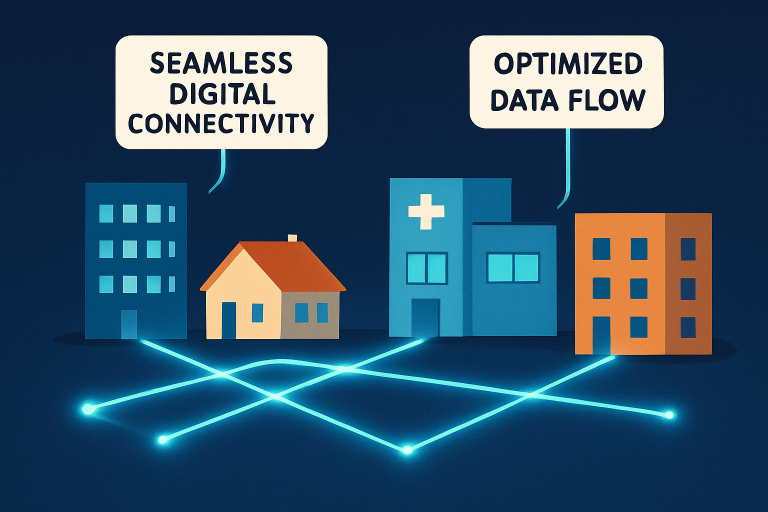
Network optimization is the discipline of enhancing network performance to support the smooth flow of digital traffic with the least interruptions. This involves continuous monitoring, traffic management, resource allocation, and strategic updates to infrastructure. The goal is to successfully deliver data across networks—whether in offices, hospitals, or airports—with minimal delays and maximum uptime.
To achieve optimization, professionals regularly analyze network bottlenecks and weaknesses using specialized tools and methodologies. This proactive approach enables IT teams to preempt disruptions and identify the most effective ways to expand or upgrade network components as demands evolve. As enterprise networks become increasingly complex with the rise of remote and hybrid work, the need for optimization grows directly in tandem with digital transformation.
Key Components of Network Optimization
Optimizing a network requires attention to several key elements that collectively enhance user and customer experience. First, a Coverage Assessment ensures that network signals reach all necessary areas adequately, addressing any dead zones where connections may fail. Second, maintaining Signal Strength and Quality is essential for ensuring reliable connectivity and preventing disruptions or slowdowns in data transmission. Additionally, optimizing Data Throughput is crucial to maximizing the efficient transfer of increasing amounts of data across the network. Lastly, managing Latency and Packet Loss is essential to minimize delays and ensure that information is delivered accurately, which is particularly vital for the performance of real-time applications.
Role of AI in Network Optimization
Artificial Intelligence is transforming network monitoring by predicting congestion and allocating resources automatically, improving performance. Telecom providers like AT&T are deploying AI silicon at the edge, reducing congestion and increasing reliability. AI enables organizations to move from reactive troubleshooting to predictive, dynamic operations, enhancing user experience and easing IT burdens. Experts believe AI-driven tools will become essential for managing complex hybrid infrastructures efficiently.
Challenges in Achieving Seamless Connectivity
Achieving seamless connectivity in the current landscape poses significant challenges due to several interrelated factors. Firstly, soaring data demands from consumers and businesses, who expect high-speed, always-on access, place an unprecedented strain on existing networks. This strain can lead to issues such as latency and downtime, where network outages or slow speeds adversely affect operational continuity and end-user satisfaction. Meanwhile, cost constraints complicate matters, as regular upgrades and the need for technological advancements necessitate continuous investment, which can be particularly difficult for smaller organizations. Additionally, compliance with evolving data privacy laws and the need for security in vast, distributed networks result in extended deployment timelines and increased complexity. These challenges are driving major innovation within the networking sector, albeit against a backdrop of rising risks and costs.
Best Practices for Network Optimization
Modern networking requires a proactive strategy characterized by strategic investments and ongoing management. Key practices include continuous monitoring for real-time performance tracking and quick issue resolution, leveraging AI and automation to anticipate problems and optimize traffic, upgrading infrastructure to accommodate increasing data needs, and employing robust security protocols to protect data and comply with regulations, thereby maintaining organizational integrity and consumer trust.
Future Trends in Network Optimization
Network optimization is progressing rapidly, driven by several key innovations. Firstly, the integration of AI and edge computing will enable real-time decision-making at the network’s edge, significantly reducing latency and enhancing responsiveness for critical applications. Secondly, the widespread adoption of 5G and subsequent technologies is expected to increase data capacity and speeds exponentially, fostering new opportunities for connectivity and remote work. Lastly, with a rising emphasis on sustainability, energy-efficient networking solutions are becoming crucial for future infrastructure development. Experts suggest that organizations that effectively adapt to these trends will be strategically positioned for growth, security, and efficiency in the years ahead.
Conclusion
Organizations that prioritize optimized data networks can benefit from increased efficiency, enhanced security, and improved customer satisfaction. With innovative technologies, AI-driven management, and strategic infrastructure investments, seamless connectivity can be achieved—regardless of accelerating digital demands. Staying informed and adapting to new network optimization trends is crucial for every modern enterprise seeking ongoing digital success.