
Key Takeaways
- Implementing a regular maintenance schedule and conscious usage habits is vital for septic system health.
- Misuse, such as flushing inappropriate materials or overusing water, may lead to major system failures.
- Environmental and household choices, such as plant placement and cleaner selection, directly affect system integrity.
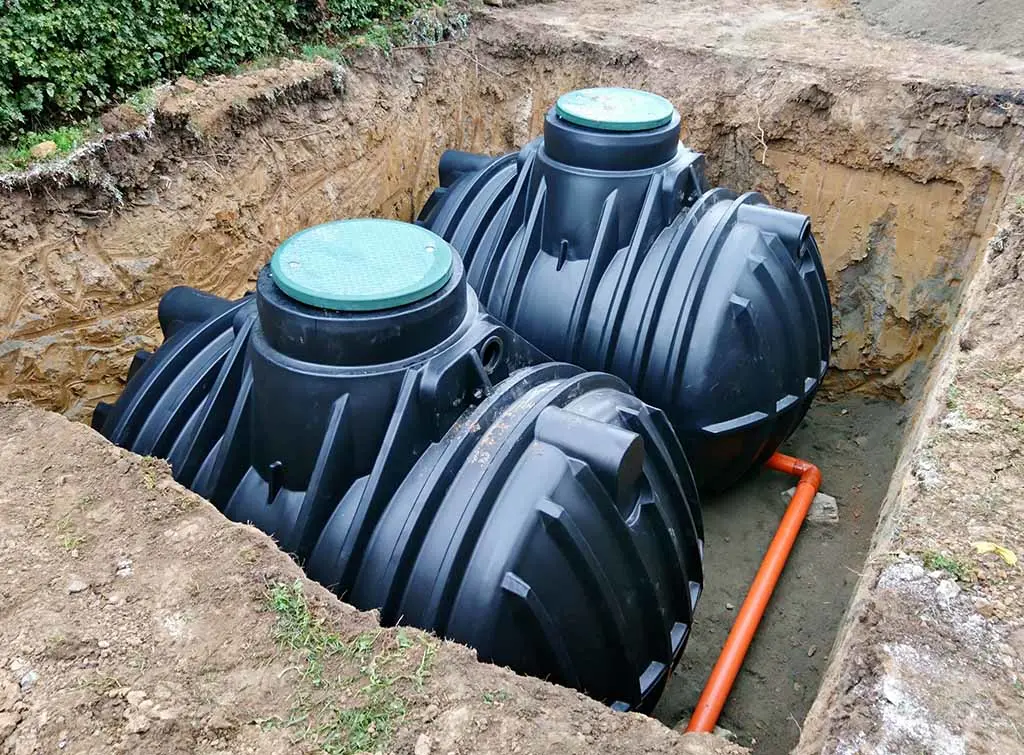
Proper care of your home’s septic system is a responsibility that can impact your property value, comfort, and even the surrounding environment. Unfortunately, homeowners often make unintentional errors that threaten the efficiency and longevity of their systems. For those seeking professional help, septic tank services Orlando, FL provide solutions for maintenance and repairs. Knowing what to avoid and how to care for your system can save you from costly emergencies and protect your investment.
Many of these mistakes stem from common misconceptions or a lack of information, but even minor missteps can lead to significant disruptions. Whether you have an older system or a newly installed one, understanding best practices for daily use will keep minor annoyances and major disasters at bay. By taking the right precautions, you can ensure your septic system remains reliable for years to come.
Neglecting Regular Pumping
The buildup of solids in a septic tank poses a major risk when left unaddressed through periodic pumping. As residues accumulate, the tank’s capacity to separate and process waste is compromised, increasing the risk of backups into your home or contamination of your leach field. Most homeowners should adhere to a pumping schedule every 3 to 5 years, though this varies by household usage and tank size. Timely pumping, as recommended by professionals, prevents overflows and extends the system’s lifespan.
Flushing Non-Biodegradable Items
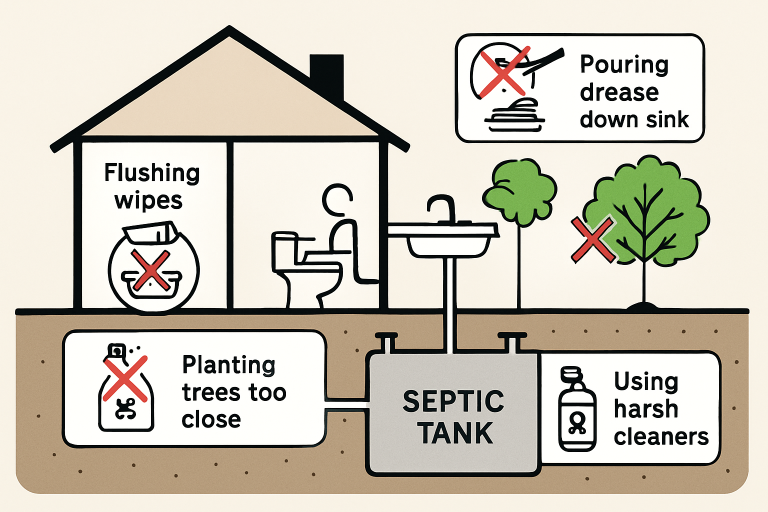
Despite convenient “flushable” labels, wipes, feminine hygiene products, diapers, and paper towels do not break down as toilet paper does. These materials collect in the tank, causing clogs and, in some cases, a complete system blockage. The safest option is to throw anything other than human waste and toilet paper into the trash. This simple habit protects your pipes and keeps your septic system functioning as designed.
Overusing Water
Many homeowners do not realize that high water use taxes the septic system’s capacity to separate and decompose waste. Running several appliances at once or taking back-to-back showers can introduce excess effluent faster than the system can treat it. Fixing leaks and spacing out laundry or dishwasher use throughout the week helps keep your system from becoming overloaded, ultimately preventing expensive repairs.
Using Harsh Chemicals
Cleaning products containing bleach, ammonia, or antibacterial agents can disrupt the delicate balance of beneficial bacteria in your septic tank. These bacteria are crucial for digesting and processing waste, so their destruction slows system performance and increases the chance of clogs. Opting for septic-friendly or natural cleaning products supports healthy tank function and reduces potential harm.
Pouring Grease Down the Drain
Grease and cooking oils should never enter your plumbing system, as they tend to solidify in pipes and the septic tank. Over time, this buildup not only causes foul odors but can also result in severe blockages that require professional removal. The best approach is to collect cooled grease in a jar or container and dispose of it once it has solidified. Adopting this habit prevents major headaches and preserves system flow.
Planting Trees Near the System
Trees and shrubs offer beauty and shade to your yard, but their root systems are a significant hazard when planted near septic tanks and drain fields. Roots naturally gravitate toward nutrients and water, often leading them to penetrate septic pipes. This intrusion often results in cracks, leaks, and, in some cases, catastrophic system failures. When landscaping, always verify the location of your septic system and use non-invasive species placed at a safe distance to avoid long-term consequences.
Building Over the Septic System
Some homeowners unknowingly build patios, driveways, or sheds over septic tanks and drain fields. Such structures disrupt system access needed for regular inspections, pumping, and emergency repairs. Additionally, they risk damaging underlying system components due to weight or restricted soil absorption. Ensuring these areas remain clear and easily accessible prevents future inconvenience and expensive repair work.
Ignoring Warning Signs
Septic systems often provide warning signs before outright failure: slow drains, unusual gurgling sounds, sewage odors, and even lush, soggy patches over your drain field. These indicators merit immediate attention from a septic professional to prevent minor issues from escalating into major, costly repairs. Regularly monitoring your system and acting on warning signs will save you time and resources in the long run.
Conclusion
Maintaining a healthy septic system requires awareness, careful habits, and regular professional attention. By avoiding common mistakes, such as flushing non-biodegradable items, overusing water, pouring grease down drains, or planting too close to the system, homeowners can prevent costly repairs and extend their system’s lifespan. Consistent pumping, mindful cleaning practices, and prompt response to warning signs ensure the septic system remains efficient, safe, and reliable for years to come.