

1. Definition and Origin
The Chief Technical Examiner’s Organisation (CTEO) was established in 1957. Originally part of the Ministry of Works, Housing and Supply, it was later moved under the administrative control of the Central Vigilance Commission in 1964, following the recommendations of the Santhanam Committee on the prevention of corruption.
The CTEO is headed by two Chief Technical Examiners (usually of the rank of Joint Secretary to the Government of India) who are assisted by a team of Technical Examiners (TEs) and Assistant Technical Examiners (ATEs).
2. Core Objectives

The primary mission of a CTE is to ensure economy, efficiency, and transparency in public procurement and construction. Their goals include:
- Preventing Fraud: Identifying overpayments, sub-standard work, and “paper-only” projects.
- System Improvement: Suggesting better administrative and technical procedures to plug loopholes.
- Technical Scrutiny: Verifying that engineering standards (like BIS or IRC) are strictly followed.
- Recovery: Ensuring that any money paid for work not actually done is recovered from contractors.
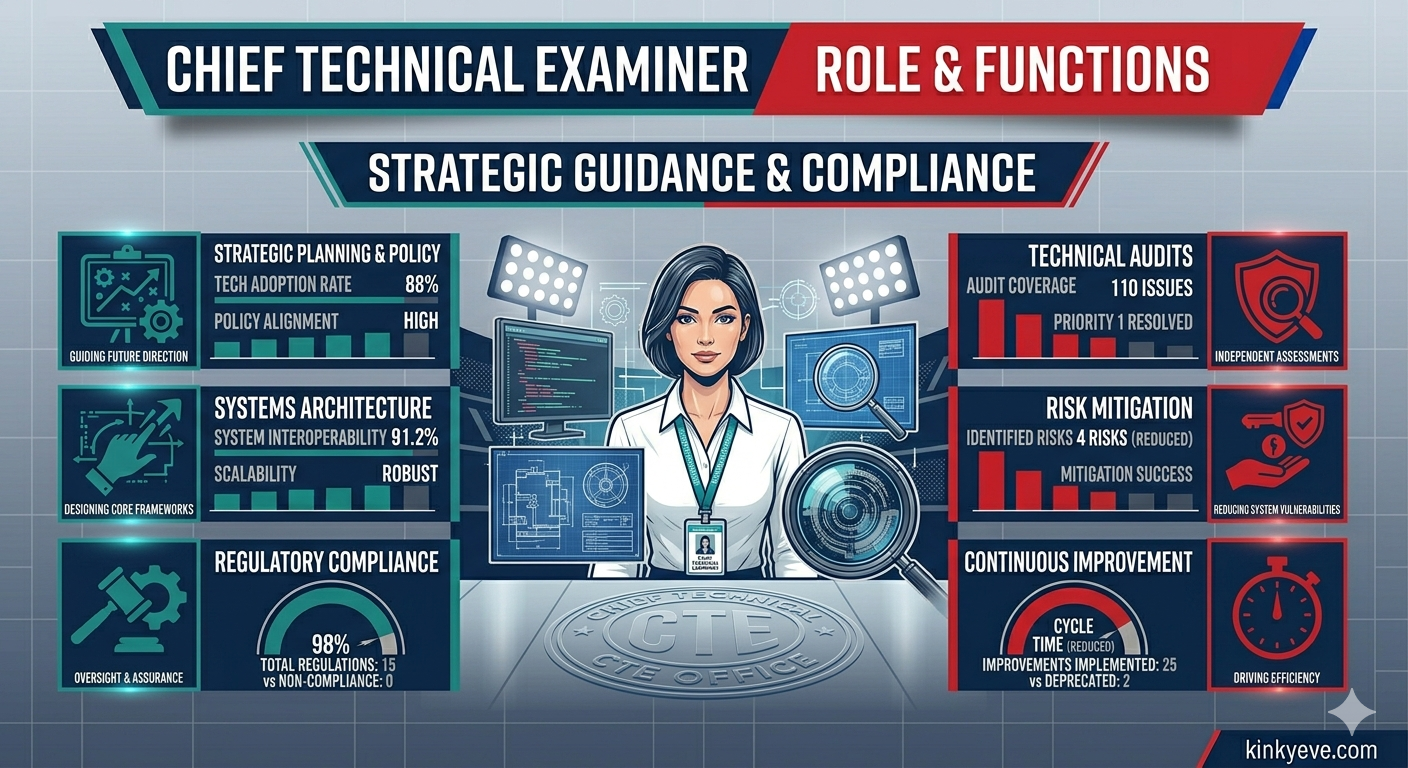
3. Key Responsibilities and Functions
The CTE’s work is divided into distinct phases of the project lifecycle:
A. Pre-Tender and Tender Scrutiny
Before a shovel hits the ground, the CTE examines the “Request for Proposal” (RFP) and tender documents. They check if:
- The cost estimates were inflated to benefit a specific contractor.
- The eligibility criteria were “tailor-made” to exclude competition.
- The contract clauses protect the government’s interests.
B. Intensive Examination (Field Audits)
This is the most critical part of the role. The CTE team conducts surprise site visits to ongoing or recently completed projects.
- Physical Verification: Taking core samples of roads or testing the strength of concrete to ensure it meets the grade mentioned in the bill.
- Measurement Checks: Verifying that the quantity of material used matches what was recorded in the “Measurement Book” (MB).
- Quality Control: Checking if the required tests (soil, water, material) were conducted by the executing agency.
C. Post-Completion Audit
After a project is finished, the CTE reviews final bills and completion certificates to ensure no “hidden” payments were made during the closing stages of the contract.
4. The CTE Examination Process
When the CTEO selects a project for examination, it follows a structured protocol:
- Requisition of Records: The organization (e.g., NHAI, Railways, or a Public Sector Bank) must submit all original files, including drawings, tenders, and measurement books.
- The Observation Memo: After the site visit, the CTE issues a report highlighting “Paras” (paragraphs) of irregularities.
- The Rejoinder: The executing agency must explain the lapses. If the explanation is unsatisfactory, the CTE may recommend a formal vigilance investigation.
- Vigilance Angle: If the CTE finds evidence of criminal intent or gross negligence, the case is referred to the Chief Vigilance Officer (CVO) for disciplinary action or a CBI probe.
5. Modern Tools and Evolution
In recent years, the role of the Chief Technical Examiner has evolved from manual tape-measuring to high-tech surveillance:
- Geotagging: Using GPS-stamped photos to prove that work was done at the correct location.
- E-Procurement Audits: Using data analytics to find patterns of “bid-rigging” or “cartelization” in digital tenders.
- Material Testing Labs: Utilizing mobile labs to get instant results on the quality of construction materials.
6. Summary: Why the Role Matters
The Chief Technical Examiner is the bridge between engineering and ethics. Without this role, technical lapses—such as using lower-grade steel in a bridge or thinner bitumen on a highway—might go unnoticed by standard financial auditors. By conducting “Intensive Examinations,” the CTE ensures that the physical infrastructure of a nation is as solid as the financial records claim it to be.
Key Fact: The CTEO does not just find faults; it publishes “Lessons Learnt” booklets regularly. These guidelines help junior engineers across the country avoid common mistakes and stay compliant with vigilance standards.