

Key Takeaways
- Holistic early education fosters cognitive, social, and emotional development.
- Play-based learning enhances problem-solving and creativity.
- Early exposure to diverse skills prepares children for future challenges.
Table of Contents
- Introduction
- The Foundation of Brain Development
- The Role of Play-Based Learning
- Early Skill Development and Lifelong Learning
- Social and Emotional Growth
- Language and Communication Skills
- Structured Routines and Discipline
- Fostering Creativity and Innovation
- Conclusion
Early childhood education is far more than academic readiness—it’s a vital process of nurturing confident, capable, and curious individuals who are better prepared to meet the demands of a rapidly evolving world. The first experiences and guided interactions that young children undergo in their formative years are crucial for laying the groundwork for lifelong success. Research increasingly shows that these formative years are when the seeds of adaptability, creativity, and emotional resilience are planted. Every interaction, relationship, and hands-on encounter in this period helps expand a child’s potential. Families exploring a preschool program Northridge CA, or similar programs are making a transformative investment in their child’s holistic growth, setting the stage for a future marked by curiosity and achievement. This investment extends beyond academics; it also establishes the social and emotional habits that help children navigate life’s uncertainties and opportunities.
A well-rounded early education not only stimulates cognitive development but also integrates social, physical, and emotional skill-building. These different dimensions of development form an interconnected web that supports children as they transition from one stage of learning to the next. When educators and caregivers create nurturing, stimulating environments, children are inspired to ask questions, form bonds, and explore new concepts. This scaffolding creates a positive cycle of motivation and achievement, reinforcing a lifelong thirst for knowledge. Understanding how and why holistic education cultivates such a lasting impact can guide parents and educators in making thoughtful choices about children’s earliest learning experiences, ensuring that they receive the well-rounded foundations needed for lifelong success.
The Foundation of Brain Development
Scientific studies highlight that the first five years of life are fundamentally influential, with nearly 90% of brain growth occurring before children even reach kindergarten. During this intense period of rapid neural growth, the brain forms crucial synaptic connections at a pace that is never again matched later in life. The environments children are exposed to—their classrooms, homes, playgrounds, and relationships with adults and peers—all leave lasting fingerprints on their brain architecture. Richly stimulating settings filled with stories, puzzles, music, and engaging social interactions encourage the brain to strengthen pathways associated with critical thinking, emotional regulation, and empathy. Structured, nurturing classroom environments not only help children absorb new information but also promote persistence, adaptability, and healthy self-esteem. The safety and stimulation provided in high-quality early education settings make early investment in children’s learning one of the most significant predictors of academic, emotional, and social success.
The Role of Play-Based Learning
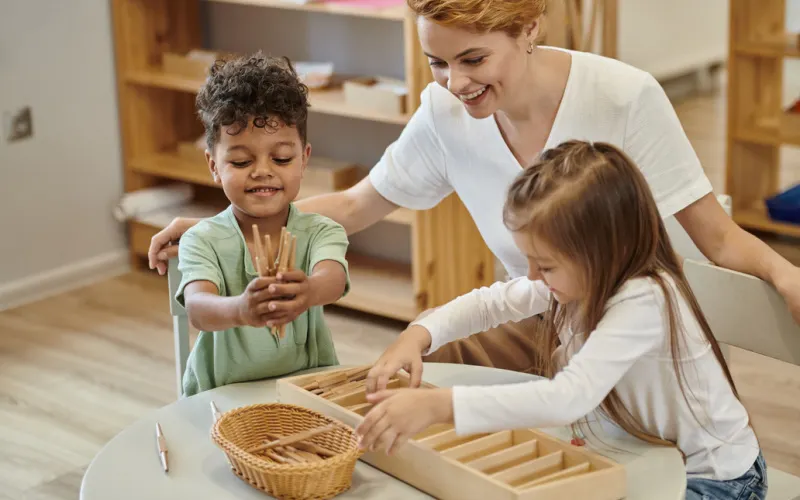
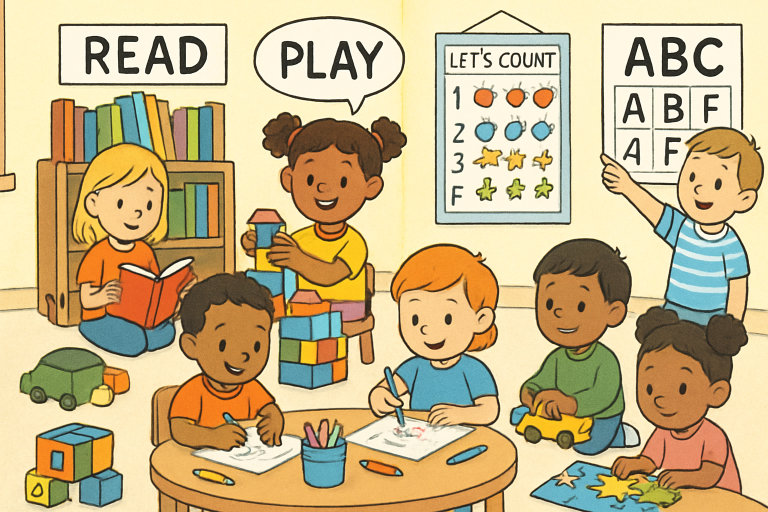
Play is often described as the work of childhood, serving as a uniquely effective means for children to develop intellectually, physically, and socially. Unlike passive rote instruction, play empowers children to explore their world hands-on, using creativity, imagination, and initiative. As they build with blocks, take turns in games, or invent stories with friends, they not only gain knowledge but also learn critical interpersonal skills. Group play introduces opportunities for negotiation, teamwork, and conflict resolution, all while being enjoyable and engaging. Play-based curricula prepare young learners for lifelong adaptation by fostering a love of discovery and resilience in the face of challenges. Moreover, the freedom to experiment in a low-pressure environment helps children view learning as an exciting adventure, rather than a source of anxiety, making them more likely to pursue new interests in the future. Through play, foundational concepts in math, science, and language develop naturally and in a meaningful way.
Early Skill Development and Lifelong Learning
Children exposed to a diverse array of skills—such as critical thinking, cooperation, and hands-on experimentation—develop a well-rounded approach to tackling unfamiliar situations. Engaging in activities such as building structures, solving puzzles, conducting simple science experiments, and role-playing different scenarios not only enhances cognitive abilities but also nurtures a sense of competence and independence. These formative experiences help children recognize that setbacks are simply part of the learning process and provide a context for building resilience and perseverance. As children grow, the skills acquired in their early years serve as a reliable toolkit for tackling increasingly complex academic tasks and navigating real-world dilemmas. Early mastery and practice of foundational skills foster a mindset in which children feel capable of meeting new challenges creatively and confidently, ensuring that learning remains a joyful and lifelong process.
Social and Emotional Growth
The most effective early education environments place equal importance on social-emotional growth as they do on intellectual advancement. Children benefit from experiential learning that is both reflective and collaborative, teaching them how to manage strong emotions, understand different viewpoints, and form healthy relationships. In nurturing settings, guided activities are intentionally designed to support self-regulation, kindness, patience, and persistence—skills that are essential for thriving in school and in life. As children interact with both peers and teachers, they learn to articulate their feelings, resolve disputes peacefully, and demonstrate empathy for others who may be different from themselves. These early lessons form the building blocks for strong interpersonal skills and emotional intelligence, traits that help shape learners who are empathetic, adaptable, and motivated to engage meaningfully with the world around them.
Language and Communication Skills
Language development flourishes in early childhood, making this period an ideal time for nurturing strong speaking, listening, reading, and storytelling skills. Engaging preschool programs introduce language in a variety of interactive ways, including singing songs and reciting rhymes, sharing stories, and participating in dramatic play. These purposeful strategies do more than build vocabulary—they also help children learn to communicate clearly, ask questions, follow directions, and express their needs effectively. A strong foundation in language and communication becomes the cornerstone for later academic success, as literacy and verbal skills are linked to performance in nearly every subject. Additionally, the ability to communicate well supports relationship-building, participation in group activities, and self-advocacy—a critical asset in both school and future professional settings.
Structured Routines and Discipline
Structured routines play a crucial role in early education, helping children internalize essential concepts such as time management, organization, and respect for rules. Learning to transition between tasks, follow multi-step instructions, and contribute to group activities fosters discipline in a natural and developmentally appropriate way. These predictable routines provide the security that young children need to feel confident as they try new activities and master unfamiliar expectations. At the same time, regular routines teach a sense of responsibility for one’s own actions and choices. The discipline gained through daily practice of routines is invaluable later as children move into more structured elementary, middle, and high school environments, allowing them to adapt more easily and persist through challenges.
Fostering Creativity and Innovation
Creativity is an essential skill for thriving in a complex, fast-changing world, and its seeds are most effectively planted in early childhood. Holistic curricula prioritize opportunities for self-expression and experimentation, allowing children to engage in a variety of artistic, musical, and imaginative activities. Encouraging children to ask questions, try new things, and learn from mistakes helps them become inventive thinkers. This approach creates a supportive environment where creative risk-taking and innovative problem-solving are not only allowed but also celebrated. As a result, children develop a flexible mindset, one that is ready to adapt to new challenges and contribute fresh ideas as they grow. Nurturing this sense of innovation prepares young learners to become the resourceful leaders, problem-solvers, and visionaries of tomorrow.
Conclusion
Holistic early childhood education is a powerful driver of lifelong learning, helping to develop cognitive flexibility, emotional resilience, and a lasting curiosity. By prioritizing balanced settings where academic learning is delivered alongside social, emotional, and physical development, families provide children with the strongest possible foundation for success in school and in life. The positive impact of this investment extends far beyond the classroom; it shapes children into resilient, capable individuals who are ready to meet new opportunities and challenges with enthusiasm. As society rapidly evolves, a holistic approach equips future generations not only to keep pace but to lead with imagination, empathy, and determination.