

Introduction: Why Minneapolis Bouldering Project Is Worth Your Attention
More than 40 million Americans try rock climbing every year, and that number keeps growing fast. Indoor bouldering gyms are a huge reason why. They make climbing easy to access, safe to try, and genuinely fun for people of all skill levels. If you live in or near Minneapolis, you already have access to one of the best bouldering gyms in the Midwest.
The Minneapolis Bouldering Project, known as MBP, is not just another gym with padded floors and plastic holds. It is a full community built around climbing, fitness, and connection. Whether you have never touched a climbing wall or you have been scaling rocks for years, MBP has something real to offer you. This guide covers everything you need to know before you go, from pricing to parking to pro tips for your first visit.
What Is the Minneapolis Bouldering Project?
The Minneapolis Bouldering Project is an indoor bouldering gym located in Minneapolis, Minnesota. It is part of the Bouldering Project gym network, which operates several top-rated climbing facilities across the country. The Minneapolis location opened to strong community support and quickly became a staple for Twin Cities climbers.
Bouldering is a style of climbing done without ropes or harnesses. You climb shorter walls, usually no taller than 15 to 20 feet, with thick foam pads on the floor to catch your falls. This makes it more approachable for beginners and easier to practice specific moves. MBP is built entirely around this style of climbing.
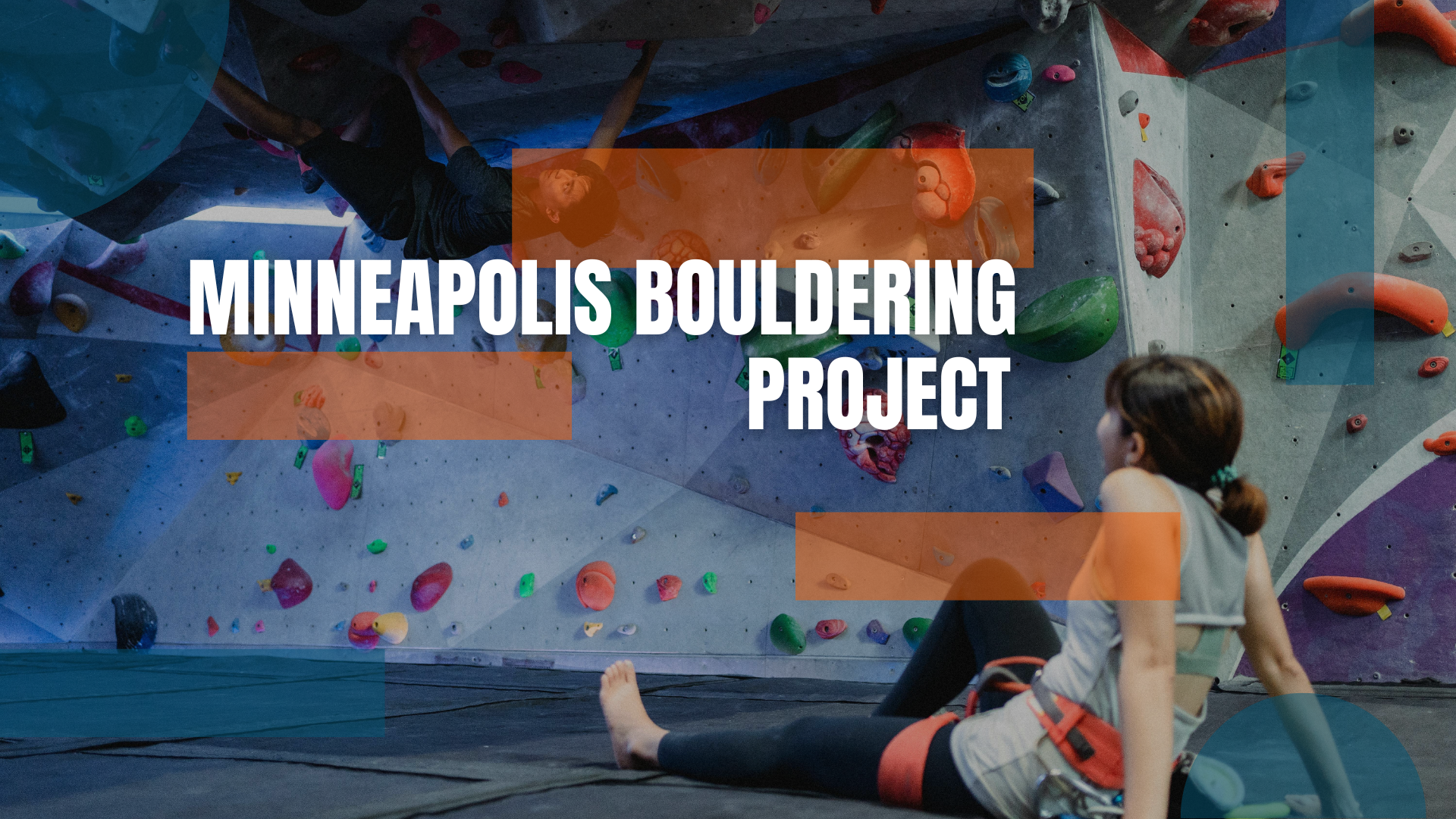
The gym features a large main climbing area with dozens of boulder problems set at different difficulty levels. It also includes training zones, fitness areas, and social spaces. The layout is open and well-lit, which makes it easy to watch other climbers and learn just by being there.
Where Is MBP Located and How Do You Get There?
The Minneapolis Bouldering Project is located in the Northeast Minneapolis neighborhood, an area known for its art scene, restaurants, and local businesses. The address puts it in a spot that is easy to reach from most parts of the metro area. Parking is available nearby, and the gym is also accessible by bike and public transit.
Northeast Minneapolis has bike lanes and paths that connect to major parts of the city. If you prefer to drive, street parking and nearby lots are an option, though they can fill up during peak hours. The gym is also close to several bus routes, making it a solid choice for climbers who do not own a car.
If you are coming from the suburbs or from Saint Paul, the drive is usually under 30 minutes depending on traffic. Google Maps and Apple Maps both recognize the address with no issues, so navigation is straightforward. Plan to arrive a few minutes early on your first visit to handle check-in and a quick waiver.
Hours of Operation at Minneapolis Bouldering Project (2026)
MBP keeps consistent hours that work well for both morning and evening climbers. The gym opens early enough for people who want to climb before work and stays open late enough for those who prefer evenings. Weekend hours are slightly adjusted but still generous.
Here is a general look at the operating hours (always confirm directly with MBP since hours can change for holidays or special events):
| Day | Hours |
|---|---|
| Monday – Friday | 6:00 AM – 11:00 PM |
| Saturday | 8:00 AM – 10:00 PM |
| Sunday | 8:00 AM – 10:00 PM |
Peak hours tend to be weekday evenings from 5:00 PM to 8:00 PM and weekend mornings. If you want more space and quieter sessions, try weekday mornings or early afternoons. The gym can get crowded during busy times, but staff manage the flow well.
Pricing and Day Pass Options
MBP offers flexible pricing that works for both first-timers and regulars. You do not need a membership to visit, which makes it easy to try the gym before committing. A day pass covers full access to the climbing areas, training zones, and common spaces.
Day pass prices in 2026 are competitive with other top bouldering gyms in the region. Rental gear, like climbing shoes, is available for an extra fee. Bringing your own shoes is always the better move if you plan to go more than once, since rented shoes are basic and do not perform as well.
Youth pricing and discounts for students, veterans, and first responders may be available. It is worth asking about any current promotions when you check in or when you check the MBP website. The gym has also run special intro deals for people who are brand new to climbing, so keep an eye out for those.
Membership Plans: Is It Worth It?
If you plan to climb more than two or three times per month, a membership almost always saves you money. MBP offers several membership tiers that suit different lifestyles and budgets. The most common option is a monthly membership with unlimited visits.
Members also get perks beyond just access. Some membership plans include discounts on gear, priority sign-up for classes, and access to special member-only events. The community feel at MBP is strong among regular members, and having a membership is a natural way to plug into that community. Many long-term members say it feels more like a second home than a gym.
Signing up for a membership can be done online or in person at the front desk. Month-to-month options exist for people who do not want to commit to a long-term contract. An annual membership typically comes with a lower monthly rate, which adds up to solid savings over a full year.
Bouldering Grades and Route Difficulty at MBP
Understanding grades is one of the first things new climbers need to do. At MBP, boulder problems are graded on the V-scale, which is the most common grading system used in bouldering. The scale starts at VB, which is the easiest, and goes up through V0, V1, V2, and all the way to V17 at the professional level.
Most beginners start on VB and V0 routes. These problems focus on basic movement, balance, and getting comfortable on the wall. V1 and V2 are still beginner-friendly but require a bit more strength and technique. By the time you reach V4 or V5, you are solidly in intermediate territory and climbing problems that take real effort to solve.
MBP sets new routes on a regular schedule. This means the gym always has fresh problems to work on, which keeps things exciting even for climbers who visit multiple times per week. The setting team at MBP is known for creating creative and fun problems across all grade levels. Color-coded tape or tags on each problem make it easy to identify the grade before you start.
What to Expect on Your First Visit
Your first visit to MBP will feel like a lot at first, but it gets comfortable quickly. When you walk in, you will check in at the front desk, sign a waiver, and pay for your day pass or rental gear. Staff are friendly and used to helping first-timers, so do not be shy about asking questions.
After check-in, spend a few minutes just walking the floor. Look at how the walls are set up, where the padding is, and how other climbers move. Watch a few people climb before you try anything. You will pick up a lot just from observing, including how to fall safely and how people approach difficult sections of a problem.
Start on the easiest routes. Even strong athletes often struggle on V0 and V1 at first because climbing uses muscles in ways that most other workouts do not. Your fingers, forearms, and core will feel it in ways you probably did not expect. That is totally normal and just part of the process.
Training Zones and Fitness Areas
MBP is more than just boulder walls. The gym includes dedicated training zones where climbers can build the specific strength and skills needed to improve on the wall. These areas often include hangboards, campus boards, and pull-up systems. Each tool targets a different aspect of climbing fitness.
A hangboard is a wooden or plastic board with small ledges that you hang from to build finger and grip strength. Campus boards are rungs on a steep board that help with dynamic movement and upper body power. These tools are used by intermediate and advanced climbers who want to push past plateaus. Beginners should focus on actual climbing first before adding tool-based training.
Many gyms in the Bouldering Project network also include general fitness equipment like free weights, resistance bands, and stretching areas. MBP encourages a whole-body approach to climbing fitness. Flexibility, core strength, and shoulder health all play a big role in climbing performance and injury prevention.
Classes and Programs Available at MBP
One of the best things about MBP is its structured learning programs. The gym offers beginner classes, youth programs, and skill-specific clinics throughout the year. These are led by experienced coaches who know how to break down complex movement into easy steps.
Beginner classes are a great starting point for anyone new to the sport. They usually cover basic technique, safe falling, how to read a route, and common beginner mistakes. Taking a class early on saves you time in the long run because you avoid building bad habits. You also get to meet other new climbers, which makes the whole experience more fun.
Youth programs at MBP are well-structured and popular with local families. Kids as young as five or six can start learning in a safe and supportive setting. Many young climbers develop real skill quickly because their bodies are naturally flexible and fearless on the wall. MBP’s youth coaching staff are trained to make the experience both educational and enjoyable.
Private coaching is also available for people who want faster, more focused improvement. One-on-one sessions with a coach let you work on specific weaknesses in your technique or problem-solving approach. This is a solid investment if you are serious about climbing or preparing for outdoor routes.
The Community at Minneapolis Bouldering Project
Community is something MBP takes seriously. It is not just a business. It is a gathering place for climbers across skill levels, backgrounds, and ages. Walking into MBP on any given evening, you will see teenagers working next to adults in their 50s, beginners cheering on more advanced climbers, and strangers offering each other tips without being asked.
MBP hosts regular community events like competitions, social nights, and charity fundraisers. These events are open to members and often to the public as well. Local competitions are a great way to test yourself in a low-pressure setting and connect with other climbers who share your passion.
The social side of bouldering is real and meaningful. Many regular climbers say that the relationships they have built at MBP are some of the strongest friendships in their lives. Climbing together creates a kind of teamwork and trust that is hard to find at a regular fitness gym. If you are looking for more than just a workout, MBP delivers that in a genuine way.
Gear You Need (and What You Can Skip)
You do not need much to get started at MBP. The most important piece of gear is climbing shoes. These are snug, rubber-soled shoes designed to grip the holds and help you feel the wall beneath your feet. They make a huge difference compared to regular sneakers.
If you are just trying bouldering for the first time, renting shoes at MBP is perfectly fine. Once you decide that climbing is something you want to keep doing, buying your own pair is the right move. A basic pair of beginner climbing shoes costs between $70 and $120 and will last a long time with proper care.
Chalk is the other key item. Climbers use chalk on their hands to absorb sweat and improve grip. MBP sells chalk in the gym, and most climbers carry it in a small chalk bag that clips to their waist or sits on the mat nearby. A chalk bag and chalk block will cost you around $20 to $30 and are well worth it. Beyond shoes and chalk, you genuinely do not need much else to start climbing well.
Tips for Getting Better Faster
Progress in bouldering is faster when you are intentional about your practice. One of the most powerful habits is to try problems that are slightly above your comfort level. If you only ever climb what is easy, you will stop growing. Pushing into harder grades, even if you fail most of the time, is how your body and brain adapt.
Watching better climbers is another powerful learning tool. Pay attention to their footwork. Most beginners rely too much on upper body strength and ignore their feet. Strong climbers use their legs to push up instead of pulling with their arms the whole time. That shift in thinking alone can take you from V1 to V3 faster than almost any other change.
Rest is also part of training. Climbing works your tendons and connective tissue hard, and those take longer to recover than muscles. Most coaches recommend not climbing more than four or five days per week, especially in your first year. Taking a full rest day between sessions lets your body repair and come back stronger. Staying hydrated and eating enough protein after climbing also speeds up your recovery significantly.
Accessibility and Inclusive Programs
MBP is committed to making climbing available to more people. The gym has taken steps to be physically accessible, with spaces that accommodate wheelchairs and mobility aids in common areas. Staff are trained to assist climbers with different physical needs, and adaptive climbing programs are available.
Adaptive climbing is a growing area in the sport. Many people with disabilities climb and compete at high levels. MBP has coaches and volunteers who work with adaptive athletes to help them find the right techniques and modifications. If you or someone you know has a physical limitation and wants to try climbing, reaching out to MBP directly is the best first step.
Inclusivity at MBP goes beyond physical accessibility. The gym actively works to create a welcoming space for people of all races, genders, sexual orientations, and income levels. Scholarship and reduced-cost membership programs have been available at various points to help people who could not otherwise afford regular access. Community matters here, and that shows in how the space is managed.
MBP vs. Other Climbing Gyms in the Twin Cities
Minneapolis has a few indoor climbing options, but MBP stands apart in several key ways. First, it is dedicated entirely to bouldering, which means all the resources and energy go into one type of climbing. That focus leads to better route variety, better training spaces, and a more specialized community.
Other gyms in the Twin Cities offer top-rope and lead climbing in addition to bouldering. If you already know you want to climb with ropes, those gyms might suit you better. But if bouldering is your focus or you are not sure where to start, MBP is the strongest choice in the area. The quality of the setting, the staff, and the overall environment put it a level above most alternatives.
Pricing at MBP is competitive, though not the cheapest option in the metro. You get what you pay for in terms of facility quality, route quality, and programming. For many climbers, the value is well worth the cost when you factor in everything the gym offers beyond just wall space.
Planning a Group Visit or Corporate Event
MBP is a popular spot for group outings. Birthday parties, team building events, and company outings all work well in the gym’s open and active environment. The gym has experience hosting groups of different sizes and can work with you to create a good experience for your specific needs.
Group rates and event packages are usually available. Booking in advance is important, especially for larger groups, since the gym needs to manage capacity. Reaching out to the MBP events team directly through their website or by phone is the fastest way to get pricing and availability. Staff are helpful and will walk you through the options.
For corporate team building, bouldering is especially effective because it encourages communication, problem solving, and trust in a non-traditional setting. People who would never bond over a conference room activity often connect quickly on a climbing wall. The shared challenge of figuring out a hard problem creates a real kind of teamwork that carries back into the workplace.
What the MBP Website and App Offer
MBP maintains a solid digital presence that makes managing your climbing life easier. Their website covers memberships, class schedules, events, and contact information. You can sign up for a membership, book a class, or check hours all from one place without needing to call.
Some Bouldering Project locations offer a route-tracking app that lets you log your climbs, track progress, and see which problems you have completed. This feature is popular with climbers who like to measure their improvement over time. Check the MBP website or the Bouldering Project app to see what is currently available for the Minneapolis location.
Social media is also active for MBP. Following them on Instagram or Facebook keeps you updated on new route sets, special events, and community news. The gym regularly shares videos of interesting problems, which is both entertaining and educational. It is a good way to stay connected with the MBP community even on days you are not in the gym.
Safety at MBP: What You Need to Know
Safety is built into how MBP operates. The foam padding throughout the bouldering area is thick and well-maintained to cushion falls. Staff regularly check the condition of holds, mats, and structural elements to keep the facility safe for everyone. You can climb with confidence knowing the environment is well-managed.
Learning to fall correctly is one of the first things beginners should practice. The goal is to land on your feet when possible, bend your knees to absorb impact, and avoid reaching back with your hands to catch yourself. Falling on outstretched hands is how wrist injuries happen. Practicing controlled falls on low problems early on builds good instincts.
Spotting is something you will notice more advanced climbers doing for each other. A spotter stands behind a climber and uses their hands to guide them toward the pad if they fall in an unexpected direction. Spotting is not about catching someone. It is about directing the fall safely. You will learn about this naturally as you spend more time at the gym and connect with other climbers.
Outdoor Climbing Connections Through MBP
One of the exciting things about getting into bouldering through MBP is that it opens the door to outdoor climbing. Minnesota itself has some solid outdoor bouldering spots, and the surrounding region offers even more options within a few hours of the Twin Cities. MBP is a great training ground for building the skills you need to tackle real rock.
Interstate State Park on the Minnesota-Wisconsin border has bouldering on basalt columns and is a popular day trip for Twin Cities climbers. Further afield, places like the Driftless Area in Wisconsin and various locations in Colorado or Utah are within reach for weekend or week-long climbing trips. Your time at MBP builds the foundation you need for all of these adventures.
MBP sometimes organizes or connects climbers with outdoor trips and local crags. Checking with staff or looking at community boards in the gym is a good way to find out about upcoming outdoor opportunities. Getting outside is one of the most rewarding parts of becoming a climber, and MBP is a smart place to build toward that goal.
Final Thoughts and Your Next Step
The Minneapolis Bouldering Project is one of the best places in the Twin Cities to start or grow your climbing life. It offers a well-designed facility, a welcoming community, strong programming, and routes for every skill level from total beginner to advanced athlete. The price of entry is low, the potential for growth is high, and the people you will meet along the way make it all worthwhile.
Whether you are looking for a new fitness routine, a creative mental challenge, or a social community built around something you love, MBP delivers all three. Climbing changes the way you think about your body and your limits. It is one of those activities that rewards effort in a very direct and satisfying way.
Your next step is simple. Go to the Minneapolis Bouldering Project website, check the current hours and day pass pricing, and plan your first visit. Bring comfortable clothes, tie your hair back if you have long hair, and show up ready to try something new. The wall will be there waiting. All you have to do is show up and start climbing.